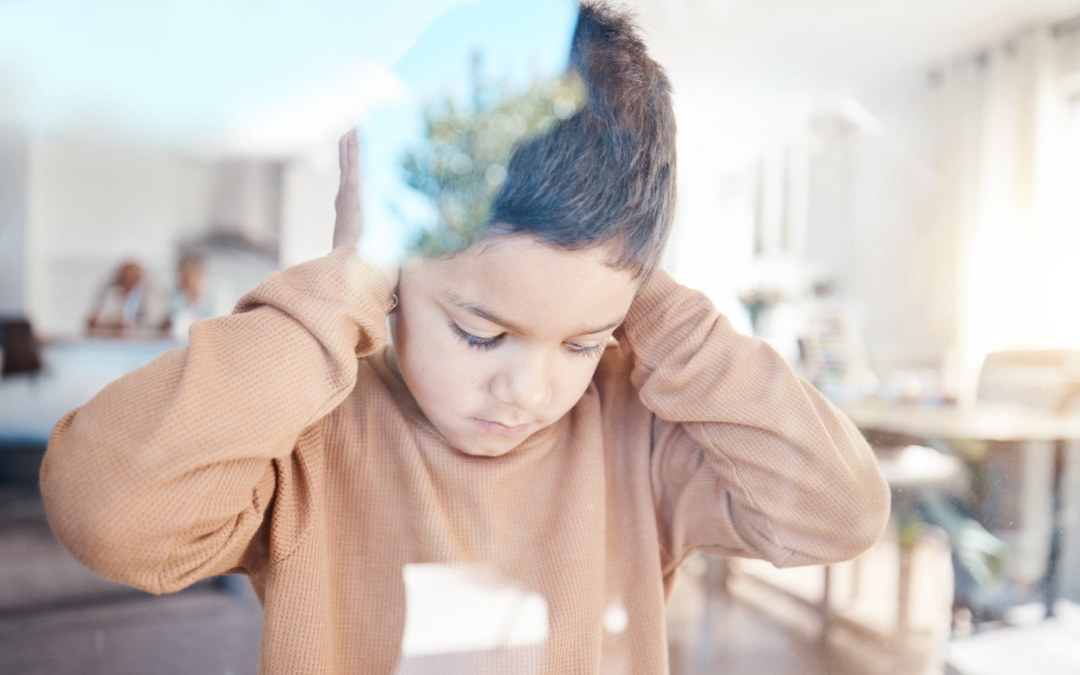
Social anxiety often appears during the teenage years. Many adolescents worry about fitting in, speaking in class, or meeting new people. Those experiences are common. Social anxiety becomes a concern when fear of judgment starts to affect daily life, relationships, school performance, and emotional well being.
Parents, teachers, and caregivers often mistake social anxiety for shyness. While both involve discomfort in social situations, social anxiety creates intense distress and avoidance patterns that interfere with normal development. Recognizing the warning signs early helps adolescents receive support before symptoms become more severe.
How It Shows Up In Children and Teens
Social anxiety disorder involves an intense fear of being judged, embarrassed, or rejected in social settings. Adolescents with social anxiety often spend significant time worrying about how others perceive them. This fear affects their behavior before, during, and after social interactions.
One of the most noticeable signs is avoiding situations that involve attention. A teenager might refuse to participate in class discussions, avoid school events, skip social gatherings, or decline opportunities to meet new people. They often want to avoid any situation where they feel exposed or evaluated.
Many adolescents with social anxiety also struggle with physical symptoms. They might experience sweating, shaking, rapid heartbeat, nausea, dizziness, or stomach pain before social events. These reactions stem from the body’s stress response and often make social situations feel even more overwhelming.
Another common sign involves excessive self criticism. A teenager might replay conversations repeatedly, focus on perceived mistakes, or assume others view them negatively. Even minor interactions can lead to hours of worry and rumination.
How Social Anxiety Affects School Performance
School environments place adolescents in frequent social situations. Classroom participation, group projects, presentations, lunch periods, and extracurricular activities all involve interaction with peers and authority figures.
A student with social anxiety may avoid raising their hand even when they know the answer. They might stay silent during group discussions or struggle to ask teachers for help. Some students begin missing school due to anxiety symptoms tied to social situations.
Grades sometimes suffer because adolescents avoid presentations or participation based assignments. Others perform well academically but experience significant emotional distress while managing daily school responsibilities.
Research shows anxiety disorders are among the most common mental health conditions affecting children and adolescents. Early intervention helps reduce long term academic and social difficulties.
Social Anxiety Versus Normal Teenage Shyness
Many parents wonder whether their teenager is shy or experiencing social anxiety. The difference often lies in the intensity of the fear and its impact on daily functioning.
A shy adolescent may feel nervous when meeting new people but still participate when necessary. They often warm up over time and engage more comfortably as they become familiar with others.
An adolescent with social anxiety experiences persistent fear that does not easily improve. They often avoid situations entirely or endure them with significant distress. Their fear frequently centers on embarrassment, criticism, or negative evaluation.
The emotional burden also tends to be much greater. Social anxiety often leads to feelings of isolation, frustration, sadness, and low self esteem. Without support, these patterns may continue into adulthood.
Emotional And Behavioral Symptoms To Watch For
Social anxiety affects more than social interactions. The condition often influences mood, behavior, and overall quality of life.
Some adolescents become increasingly withdrawn from family and friends. Others spend large amounts of time alone because social situations feel exhausting or frightening. Parents may notice fewer invitations from peers or reduced interest in activities that once seemed enjoyable.
Irritability is another common symptom. Anxiety places constant stress on the mind and body, which often affects emotional regulation. A teenager may appear angry, defensive, or frustrated when discussing social situations.
Perfectionism also appears frequently. Many adolescents with social anxiety set unrealistically high standards for themselves because they fear making mistakes in front of others. They may avoid activities unless they feel confident they will perform perfectly.
When Social Anxiety Leads To Other Mental Health Concerns
Untreated social anxiety increases the risk of additional mental health challenges. Some adolescents develop depression after long periods of isolation and loneliness. Others experience generalized anxiety, panic symptoms, or difficulties with self confidence.
Social anxiety also affects important developmental experiences. Teenagers learn communication skills, relationship building, problem solving, and independence through social interactions. When anxiety limits these opportunities, emotional growth may become more difficult.
Mental health professionals often evaluate adolescents for related concerns to ensure treatment addresses the full picture of their emotional health. Child and adolescent psychiatrists frequently treat anxiety disorders alongside other conditions affecting young people.
When To Seek Professional Help
Parents should consider professional support when anxiety begins interfering with daily life. Warning signs include persistent school avoidance, declining grades, withdrawal from friends, severe distress before social situations, or ongoing physical symptoms related to anxiety.
Professional evaluation helps determine whether symptoms reflect social anxiety disorder or another mental health concern. Early assessment often leads to better outcomes because adolescents learn coping strategies before avoidance patterns become deeply established.
Treatment often includes psychotherapy, skill development, and, in some cases, medication management. The most effective approach depends on the individual’s symptoms, age, and overall mental health needs.
At Jessica R Stern MD, patients receive personalized psychiatric care designed to address anxiety disorders and other mental health concerns affecting adolescents and adults. Dr. Stern is a board certified psychiatrist with specialized training in child and adolescent psychiatry and extensive experience treating anxiety related conditions. If your teenager shows signs of social anxiety, visit https://www.jessicasternmd.com/ to learn more about psychiatric evaluations, psychotherapy, medication management, and individualized treatment options.